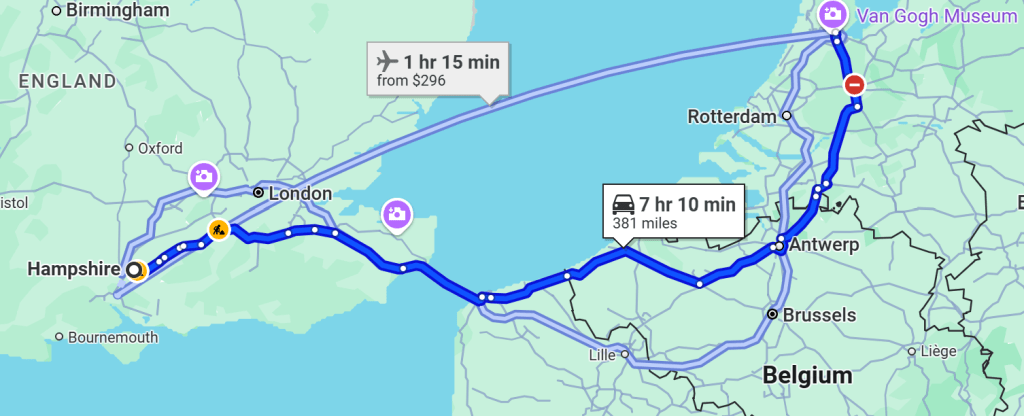
Back when the world was still vaguely sensible and living in England, I decided to take a proper road trip. Not one of those dull “fly somewhere, rent a car” getaways. No, this was the real deal—Hampshire to the Netherlands, with a bit of France, Belgium, and an accidental detour into Germany. Because, as always, my sense of direction was about as reliable as a politician’s promise.
So, early one morning, I checked the car. Back then, you could actually do that. You could pop the hood (Bonnet!), poke at things, and more or less understand what was going on. Unlike today’s cars, which require a degree in software engineering just to reset the fuel gauge. The car was ready. I was ready. So off I went from England to the continent!
Dover, the Channel, and France—the land of the French
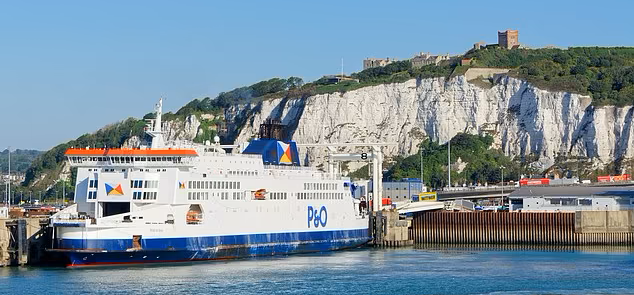
I roared down to Dover, took the ferry across, and landed in Calais—in France where the French live. Now, I don’t mind the French. They make excellent cheese, fantastic wine, and deeply questionable cars. And besides, it’s not their fault they were born French.
From Calais, I took the scenic route toward Belgium. No motorways, no stress, just winding country roads. But before reaching the border, I decided to stop at a charming little café for breakfast. And this is where things went wrong.
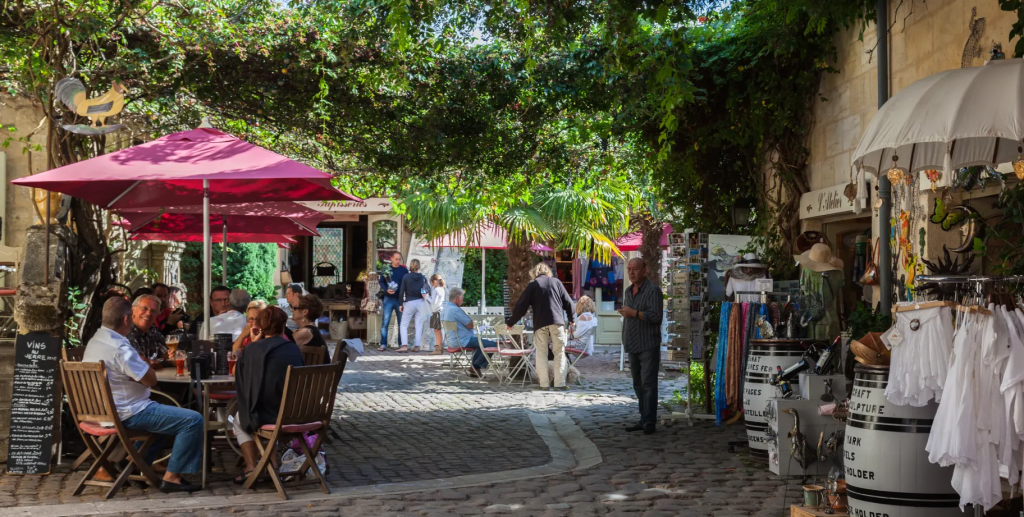
The waiter, upon spotting the GB sticker on my car, assumed I was British and greeted me with that unique blend of indifference and mild hostility the French have perfected over centuries. He launched into rapid French, which I met with my best attempt at international diplomacy—wild hand gestures. I mimed eggs. I mimed pancakes. I probably looked like I was trying to land a plane. To the rest of the café, it must have looked like I was having some kind of a medical episode.
Finally, I snapped. “Look, dude, I’m an American. I tip.”
And just like that, the man underwent a miraculous transformation. His frown turned into a smile. Suddenly, he spoke English. Not great English, but still. It was like I’d just unlocked a cheat code in a video game.
Belgium, Beer, and Beautiful Blurs
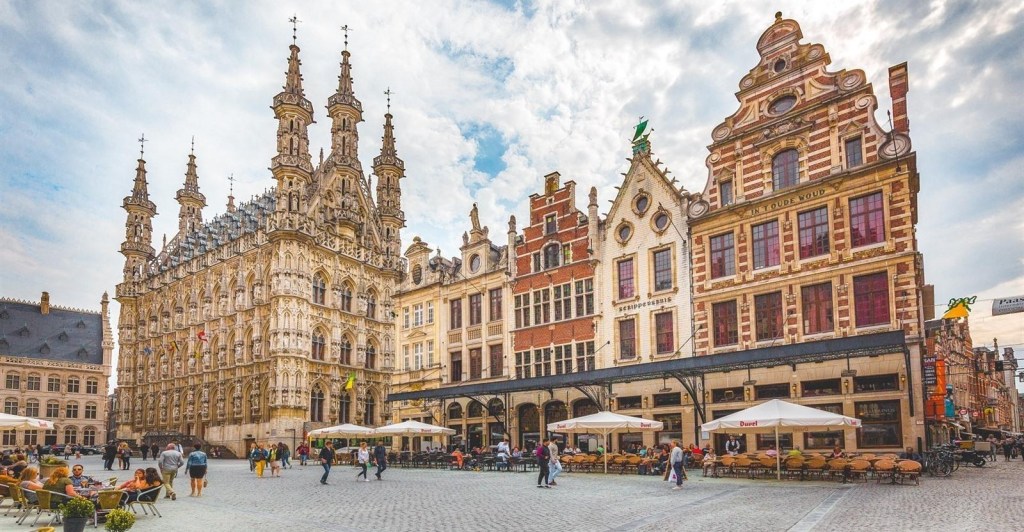
Back in the car, I weaved through the Belgian countryside—neat little houses, flower boxes on the windows, the whole place looking like something out of a Christmas biscuit tin. That night, I stopped in Leuven, a university town and home of Stella Artois with its roots tracing back to the Den Hoorn brewery founded in 1366.
Now, let’s do the math here. Leuven has a lot of students. And it has legendary beer. You can probably guess what happened next.
I fell in love. Multiple times. At least, I think I did. It’s all a bit blurry.
The next morning, feeling somewhat less than fresh, I stopped in a small town to take in the scenery. I sat on a bench next to an old man who looked like he should be in a perfume advert—impeccably dressed, flat cap, radiating effortless European sophistication.
We chatted. I mentioned how I’d seen an awful lot of cemeteries during my drive. He nodded and, without missing a beat, said, “Because Belgium, is where the British and the Germans come to settle their differences.”
And honestly? That’s hard to argue with.
The Netherlands: Windmills and a Man on a Bicycle.
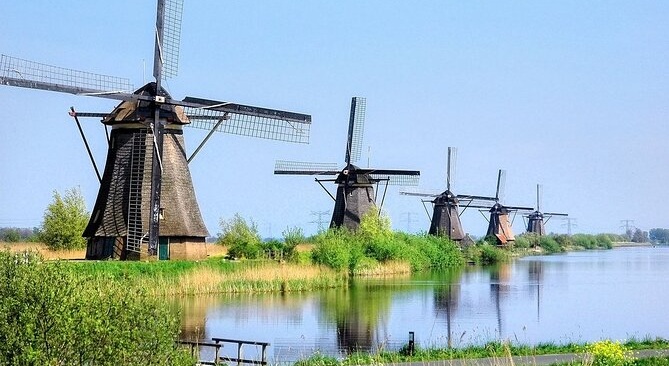
Crossing into the Netherlands, I stuck to the back roads, enjoying the scenery. I noticed people were waving at me vigorously. I thought, Wow, people here are really friendly!
Then, I saw them—those Dutch windmills. The famous Kinderdijk windmills. These were the big, old-fashioned ones, the kind you’d expect to see on a postcard or in a fairy tale, with wooden blades the size of a small football pitch. They looked like they belonged in the 18th century, not in the 21st. It was like someone had forgotten to tell them that wind-powered machinery had moved on. Still, they were magnificent—towering over the fields like giant, bearded sentinels, spinning lazily in the wind. If you closed your eyes, you almost expected a plucky farm girl to run out, singing about hay and harvests, while the windmill hummed a little tune of its own.
But before I could finish marveling at this wind-powered medieval army, a man on a bicycle—a proper Dutchman, tall, fit, and powered entirely by wind and determination—chased after me. I checked my mirror, sighed, and pulled over to let Lance Armstrong catch up. He stopped, panting, and said, “My friend! You are driving on the opposite side of the road!”
I blinked. Then, gathering my wits, I replied with an attempt at humor, “Oh, don’t worry, old chap. I’m British. I just forgot you foreigners drive on the wrong side of the road!”
He looked at me like I’d just fallen off the idiot train—first class, window seat—his eyebrows doing a sort of a skeptical flamenco dance, as if trying to decide whether to correct me or just let natural selection take its course.
To defuse the situation, I handed him a croissant. He took it, smiled, and said, “Take care now. And don’t be too British around here!”
Rotterdam, Parking Laws, and the Genius of the Dutch
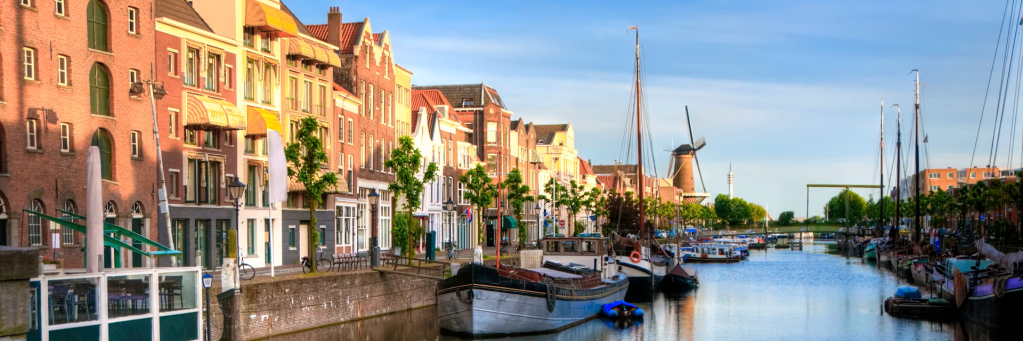
Eventually, I rolled into Rotterdam, parked outside a restaurant, and went in for lunch. I asked the waiter if it was okay to leave my car where it was.
He glanced outside and said, “Well, it’s a no-parking zone, but it’s fine.”
“Cool,” I said. “Tourist privilege?”
He smirked. “You could say that. What are the police going to do? Chase you all the way to England over an unpaid ticket?”
The Dutch. Absolute geniuses.
Amsterdam, The City That Defies Logic
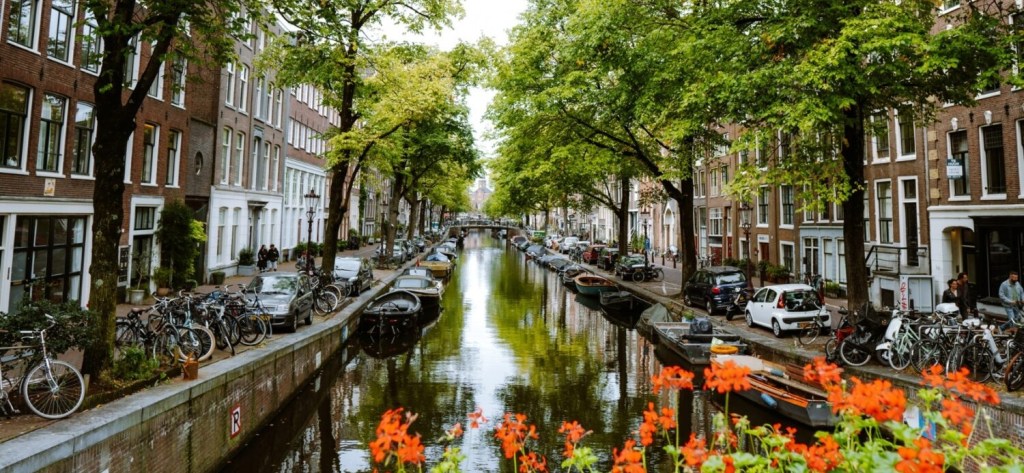
Amsterdam was next. A city of canals, culture, and bicycles. So. Many. Bicycles. They move in swarms, like highly coordinated locusts, and if you dare step into their path, they will not stop. Parking was a nightmare, but the museums were magnificent. It wasn’t my first time there, but I remember thinking, “This place is ridiculous.” But in the best way possible.
On that day, there was a football (yes, soccer) match between the Netherlands and Scotland. The city was a sea of orange (color of the Dutch football team), with the locals growing increasingly bewildered, watching hordes of rambunctious people in kilts take over their streets. And not just your standard-issue Scots, oh no. There were Scot Scots, English Scots, Asian Scots, Welsh Scots, and, heaven forbid, French Scots. All of them drinking beer like it was oxygen, and somehow, through sheer force of will and national duty, they had managed to leave the city dry. The locals stood there, slack-jawed, as if they had just witnessed a herd of cows break into a distillery and drink it empty.
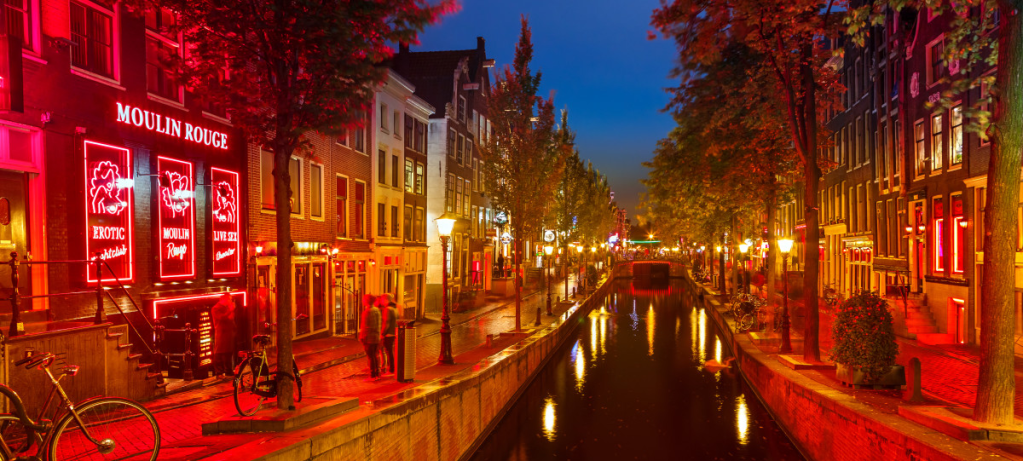
And then, of course, there was the Red Light District. A place where the rules of normal society take a little break, sit down with a beer, and have a quiet chuckle. Walking through, I couldn’t help but notice the women in the windows, bathed in neon glow, smiling at passersby and giving the universal gesture of “Well, don’t just stand there gawking, come on in!” It was both fascinating and mildly terrifying, like walking through a bizarre live-action version of a particularly adventurous IKEA catalogue.
Meanwhile, outside, groups of tourists—some excited, some pretending they weren’t excited—milled about, nudging each other like schoolboys who’d accidentally wandered into the wrong section of a video store. But this was Amsterdam, where even the debauchery is well-organized and efficiently run.
Germany, The Land of Efficient Law Enforcement
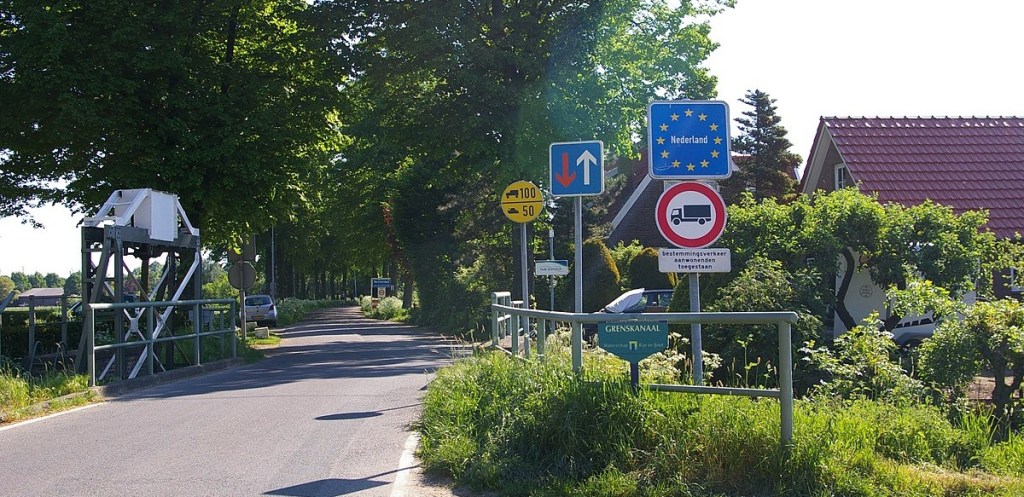
Continuing my drive the next day, at some point, I unknowingly crossed into Germany. This became evident when a very serious-looking German police officer pulled me over.
“Papiere, bitte,” he said.
I blinked at him. He sighed.
He asked if I had any insurance for Germany. I told him I didn’t. Now, if you’re thinking he would wave me off with a polite smile and send me on my merry way—think again. He at least attempted the smile, failed, like all Germans do and advised me to either turn around or call my insurance and add Germany. But being the sensible, rule-abiding citizen I am, I did the only thing that made sense: I turned around and drove straight back. Who needs insurance, right? Surely, if the Germans want to pull me over again, they’ll have to catch me first.
The Hague, Where People Walk Like They’re Important
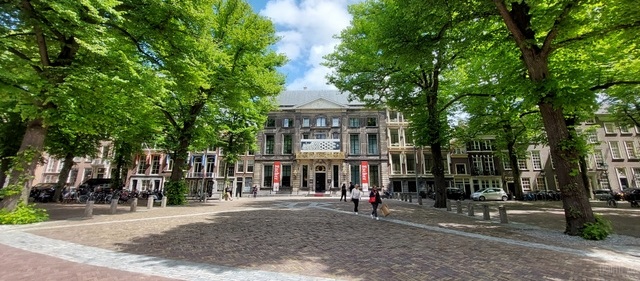
Back in the Netherlands, I made my way to The Hague—home of the International Court of Justice, where old men with stiff backs wander around looking very important. But the best part of the city? The Escher Museum. Because nothing says “relaxing road trip” like contemplating impossible staircases.
The Return Home
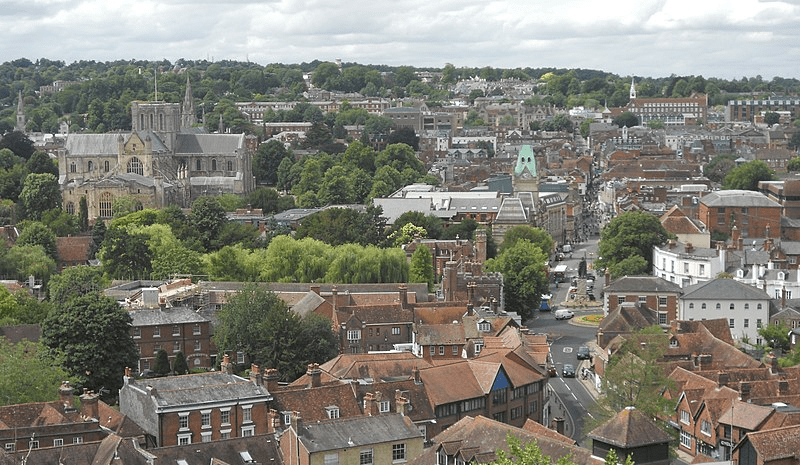
After a few more days of driving, eating, and the occasional near-legal incident, I made my way back to England. Hampshire welcomed me home with rolling green hills, narrow country lanes, and the comforting knowledge that here, at least, everyone drove on the correct side of the road.
It had been a trip of culture, history, and, above all, the realization that no matter where you go in Europe, someone will always be there to tell you you’re doing something wrong.
_________________________________________________________________
Thanks for dropping by my little corner of the world. If the story gave you a chuckle or made you pause and think, a like would be mighty kind. And if you’re feeling adventurous, well, hitting that subscribe button is like pulling up a chair and staying a while—always room for one more.
Your comments make me smile, sometimes laugh out loud, and every now and then, they nudge me to dig a little deeper, write a little better. So, stick around—who knows what we’ll stumble upon next!


 A Kings
Leave a reply to tagpipspearl Cancel reply