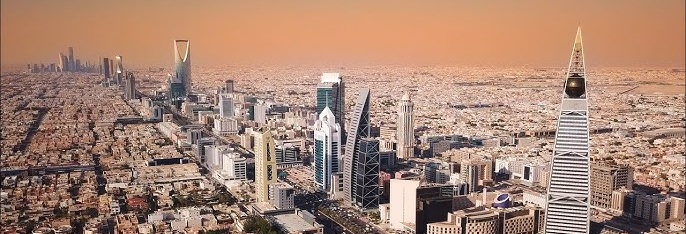
1998 — Saudi Arabia. Ministry of Foreign Affairs Building. Me, a skinny engineering graduate with the wide-eyed optimism of a chipmunk in a nut factory. And let me tell you, if you’ve ever wanted to experience the majestic thrill of absolutely nothing, the desert kingdom delivers in spades. Miles and miles of beige. Not gold. Not ochre. Just a lot of sand dunes, like a hilly beige. But then suddenly, Riyadh comes into view and contrasts with everything. A modern city in the middle of nowhere.
At first, it was like living in a sand-colored spreadsheet. There was nothing to do. No pubs. No cinema. Not even a dodgy kebab van parked suspiciously near a roundabout. Just sand, concrete, the occasional falcon, and if you’re lucky, a camel chewing something with all the enthusiasm of a tax accountant.
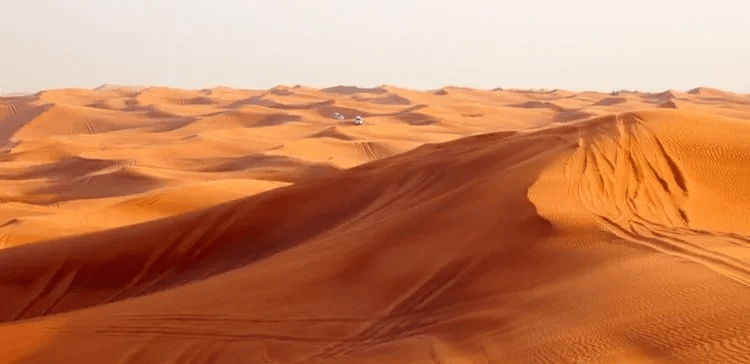
Now, Saudi Arabia has these roads — long, straight, and apparently built by someone who’d never heard of destinations. One day, curiosity got the better of me, and I followed one. It ended with two guards who looked like they were auditioning for the role of “stern man with moustache” in a Tom Clancy novel. They didn’t speak English. I didn’t speak “terrifying desert checkpoint.” So I mimed my confusion using a map like I was playing charades in hell. Somehow, it worked. They nodded, gave me a thumbs up, and let me live. Turns out I’d stumbled onto the driveway of one of Saudi’s many princes — think royal family meets Costco membership.
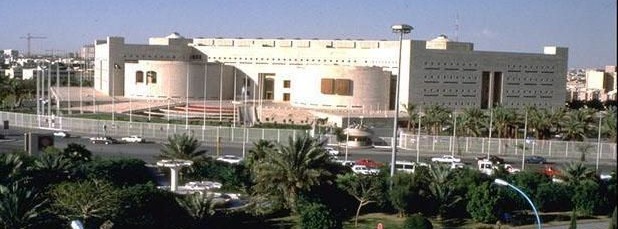
Now, boredom does something odd to the human brain — it makes it creative. The lads I worked with discovered that the Ministry’s floodlights got so hot, they could be used for grilling meat. And like any group of engineers with more degrees than common sense, they rigged up a contraption that let them barbecue chicken legs and steaks right under the façade of Middle Eastern diplomacy. It was genius. Foreign affairs by day, flame-grilled dinner by night.
Then there was Ramadan — the holy month of fasting, reflection, and, once the sun sets, eating as if you’re making up for a famine. When dusk arrived, the entire city transformed into a buffet on wheels. Men stood by traffic lights handing out little boxes of dates, fruits, tiny cakes soaked in syrup, and warm samosas wrapped in foil. It wasn’t just generous — it was organised, beautiful chaos. My favourite drive-thru in the world? The intersection outside King Fahd Road. Red light? Boom — free food.
Now, about halfway through my time there, I got a call to look at a problem with a massive sliding glass door near the main entrance of the Ministry building. This thing was a monster — nearly 20 feet tall, 10 feet wide, and two inches thick. A door? No. A glass wall with delusions of grandeur. The motor, they said, kept burning out and they wanted me to help design a bigger one. But the problem wasn’t the motor. It was the wheels — they’d used these puny little rollers to carry a slab of glass the size of a bus stop, and of course, they were getting squished into the rail like grapes in a wine press.
As I was crouched down, inspecting the carnage, a man in full Saudi regalia approached me. Robes, ghutra, the works. He struck up a conversation, said this door had been a thorn in their side for years. I explained the situation — the squashed wheels, the poor load distribution, the tragic lack of physics involved — and he listened like I was unveiling the secrets of the universe. Then, to get a better look, he got down on his knees too. So now you’ve got two grown men — one a foreign engineer, the other a very regal-looking Saudi — on all fours, poking at mangled wheels like archaeologists at a dig site.
The guards, by this point, were watching us like we were building a bomb. And when the man eventually walked away, one of them marched up to me and asked, “Do you know who that was?”
I shrugged and said, “One of the ambassador’s aides?”
“No,” he said, in that way people act when they’re about to drop a hammer. “That was Prince Faisal. Second-generation royal. Al-Saud family.”
I nearly choked on my own dignity.
But that’s the thing about Saudi Arabia — it’s a land of extremes and surprises. One minute you’re investigating faulty architecture, the next you’re on your knees with royalty discussing wheel alignment.
And then there’s Al Khobar. Drive half an hour or so beyond the city and you’ll find this old fishing village that looks like it hasn’t changed since biblical times. The houses are the traditional flat roof ones made out of sunbaked mud and straw, with no paint, and barely a straight wall among them. You half expect to see someone herding goats through the alleyways in sandals made out of old leather.
And yet — right there, parked in the dust — a shiny new Corvette. Next to it, a German SUV looking confused, and a gleaming Land Rover shimmering in the heat like it was supposed to be waiting outside a private school, not sitting next to a house made of dirt and straw. It’s like someone copy-pasted a scene from the Old Testament but with expensive cars.
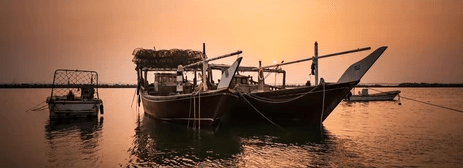
Then there’s the sea. At dawn, the fishing boats start appearing in the horizon— the old wooden ones, creaking at every wave, each one with a little oil lamp tied up and swinging from the bow. From a distance, it looks like a massive group of fireflies gliding silently across the water. No noise. No rush. Just soft yellow lights dancing on the waves, as if the ocean decided to have a quiet moment before the sun comes up. And then they dump their catch on what looks like a tennis court with no net — a vast concrete slab where the morning fish market kicks off.
Children dart around the edge, collecting stray fish that flop away from the pile, laughing and chasing them like it’s recess. They gather them up in plastic bags, and once the bags are full, they sell them. You get a mixed grab-bag of ocean life — no labels, no prices, just a toothy smile from a 10-year-old entrepreneur.
Saudi Arabia. It’s this mad mix of old and new — one foot in the past, the other in a showroom full of German cars. It can be brutally tough one moment and ridiculously generous the next. Half the time it makes no sense at all… until suddenly it does.
It was bonkers. But it was also brilliant.
Thanks for dropping by my little corner of the world. If the story gave you a chuckle or made you pause and think, a like would be mighty kind. And if you’re feeling adventurous, well, hitting that subscribe button is like pulling up a chair and staying a while—always room for one more.
I subscribe back, by the way. It’s my way of saying, “Welcome to the club—snacks are in the back, good times up front!”
Your comments make me smile, sometimes laugh out loud, and every now and then, they nudge me to dig a little deeper, write a little better. So, stick around—who knows what we’ll stumble upon next!


 A Kings
Leave a reply to AKings Cancel reply