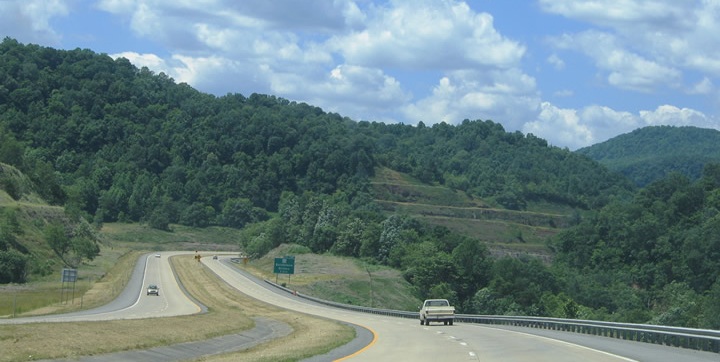
January 2013. I rolled into Lewisburg, West Virginia, at precisely 8 PM after a long but admittedly beautiful drive from Pennsylvania. It was the kind of drive that makes you feel like you’re in an advert for winter tires—curving roads, mountains, light snow, and just enough loneliness to feel dramatic but not suicidal.
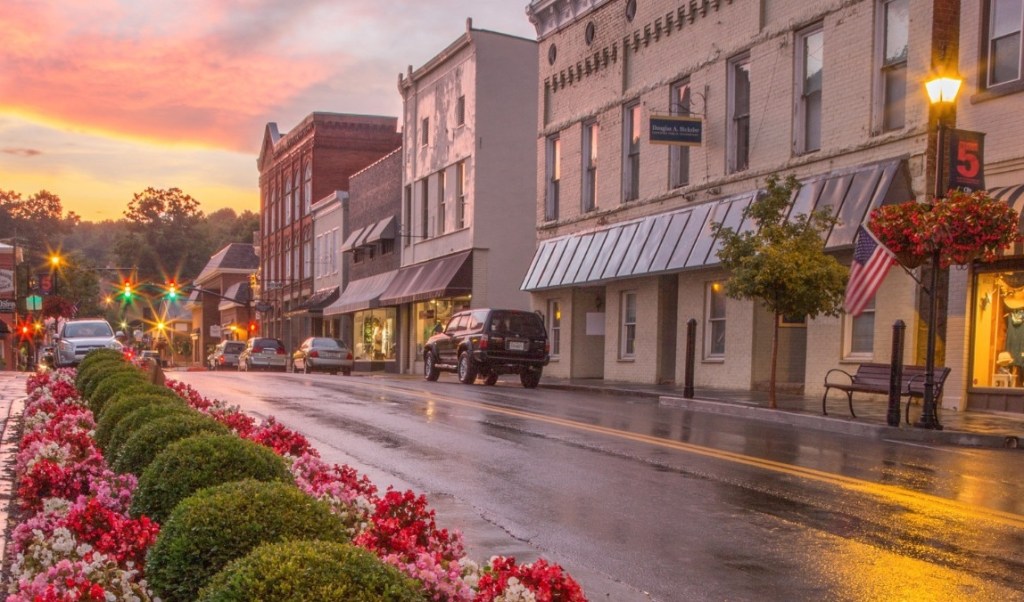
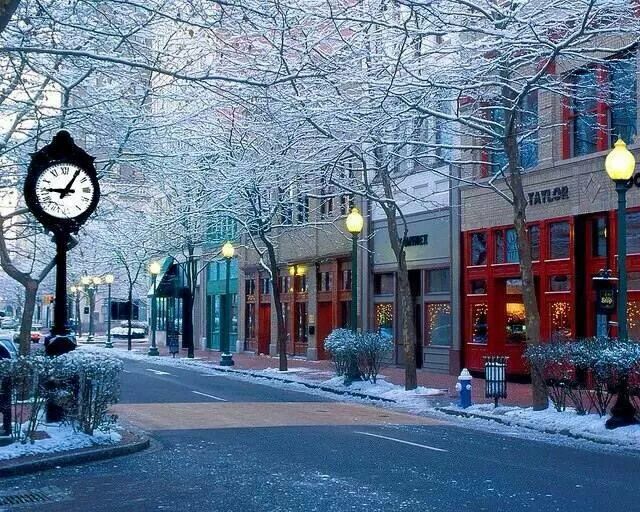
First impressions? Lovely town. Quaint. Clean. Quiet. Picturesque. If you squint a bit and ignore the pick-up trucks, it even starts to look a bit Belgian—except, of course, with fewer men named Pierre, without the frites, the waffles, and the overabundance of cyclists or people. Because by 8 PM in Lewisburg, the streets are emptier than a vegan’s fridge on bacon day.
I checked in to a modest hotel, optimistically called “Quality Inn.” After dropping off my bags and pretending not to notice the lingering scent of sadness in the hallway, I ventured out to see what sort of culinary delights Lewisburg had to offer. The answer? None. Most of the restaurants were already shut, their lights off and chairs stacked in that smug “we’re closed and you’re too late” way.
Everything was closed. All of it. Shut. As if the entire town had heard I was coming and staged a mass hibernation. Just when I was beginning to believe I’d have to gnaw on my own arm for dinner, I found a place. A beacon of warm, slightly stale hope. “Irish Pub,” it said. The only lights on for what felt like three zip codes.
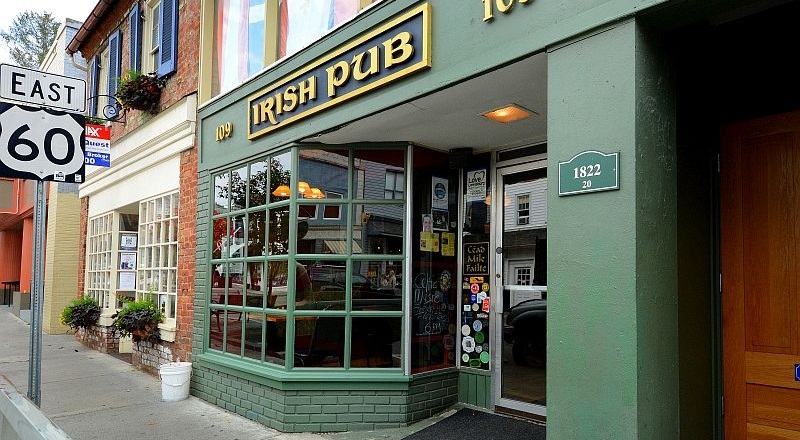
Inside, I perched myself at the bar like a man who’d seen some things and asked for a menu. Half the place was empty. Which made sense, because the menu was approximately the size of a napkin and offered roughly the same nutritional value, and clearly typed up by someone who had just given up halfway through life. Sandwiches. And booze. That was it. Three sandwich choices: corned beef, turkey, or ham and cheese.
I said, “Ham and cheese, then.” And to be polite—after all it’s supposed to be an Irish Bar—I asked for a glass of Guinness. The bartender, looking like he was about to change my religion, said, “We got Bud or Coors.”.
Not being a drinker and couldn’t tell the difference anyway. I said, whichever. He gave me a mug of Coors.
And I was wrong. I can taste the difference. This one tasted like someone filtered mineral water through a gym sock worn by a sweaty trucker named Randy. So I set it aside and asked for water, hoping it wasn’t pulled from the same tap.
So there I was, nibbling a ham and cheese sandwich that could’ve been assembled by a distracted child, watching America’s Most Wanted on the TV above the bar. And that’s when I noticed something rather… alarming.
Panic. Pure, undiluted panic. The bearded guy sitting next to me? He looked exactly like the fugitive on screen.
Now, I’m not one to leap to conclusions, but I was slowly calculating my odds of getting to the door without being used as a human shield. I shifted in my seat, tried not to make eye contact, until he turned to me. Then he looked at the screen and declared, “Y’all see that, that man looks like me! But it ain’t,” he said.
Right. Of course not. That’s exactly what the guilty ones say.
The bartender, without missing a beat, glanced at the TV, glanced at the man, and started laughing. “That couldn’t be Bill,” he said. “Most of the time, Bill can’t even find the restroom.”
It turned out Bill was actually rather delightful, albeit, mildly terrifying in appearance, but completely harmless. You really can’t judge a book by its cover!
We chatted for a bit when he finally asked the inevitable question: “Y’all not from around here, are you?”, to which I replied, “What gave me away?” He grinned and said, “Well, for one thing, you don’t look like anyone they show on ‘Most Wanted.”
Eventually, I bid farewell to Bill, the not-fugitive, and made my way back to my hotel. Where I discovered, to my horror, that the walls were as thin as political promises.
All through the night, I was treated to a front-row audio experience of the couple in the next room having a very spirited and foul-mouthed disagreement. About what, I’m not sure, but it seemed to involve the usual words “you always,” “never listen,” and “your mother was right.”
It was a rough night—for me, for the couple next door, and probably for Bill too, wherever he’d ended up.
For a year, I needed to keep coming back. It was for a project I was trying to finish, and over time, West Virginia started to grow on me. Like moss. Or an unwanted tattoo. The stereotypes were mostly false. The people are Incredibly kind. And the banter? Absolutely absurd.
At work, surrounded by men from West Virginia, Kentucky, and Virginia, the banter was nonstop and often… legally questionable, and some I outright cannot repeat. One guy asked if I knew why the baby Jesus couldn’t be born in West Virginia. I said no. His answer: “They already tried but they couldn’t find a virgin and three wise men.” Then one said, “but you do know that the toothbrush was invented here, right?” In which I gullibly asked, “wow, did it really?!”, his answer: “Oh yeah, coz if it were somewhere else, it would’ve been called a teethbrush!”.
Another guy from Virginia claimed West Virginia is called “Almost Heaven” in reference to the John Denver song, because, “Virginia is Heaven.” Which, to be fair, is exactly the kind of thing someone from Virginia would say.
As I came to know more about Lewisburg, it turned out to be a fascinating little town. Charming even. There’s an inn and restaurant that was once owned by a genuine, Sabre-wielding general from the Revolutionary War— the kind of man who probably fought battles with a feather quill and had strong opinions on powdered wigs. You half expect George Washington himself to walk in, order a whiskey neat, and ask for a table by the fireplace.
There’s also a school of osteopathic medicine, which means at any given time, the ratio of chiropractors to residents is dangerously high. It’s the sort of place where your local doctor might also double as your neighbor’s cousin’s banjo teacher.
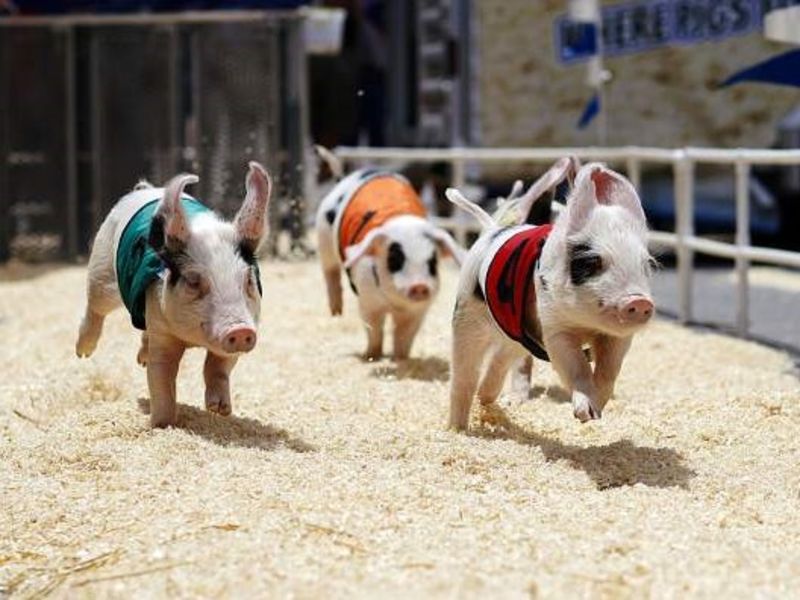
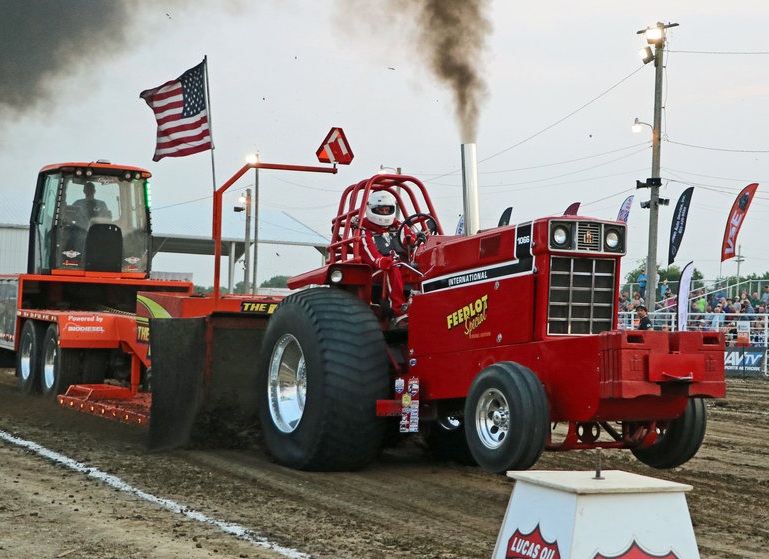
Then there is the State Fair. Oh yes. The annual crown jewel of West Virginian enthusiasm. Now, when you say “State Fair” in other parts of the world, people think of quaint pies, farm animals, and maybe someone playing a fiddle in the background. But in Lewisburg? You get pig races, which are exactly what they sound like—tiny porkers in numbered bibs sprinting for their lives like it’s the Indy 500 of bacon. And tractor fights. I’m not kidding. Actual tractors, not the small sort you mow the lawn with, but the industrial, plow-through-a-brick-wall kind, being driven at each other by men who look like they were born with diesel in their blood and a crescent wrench for a pacifier.
There were also the gun merchants.
Now, I have nothing against the Second Amendment. I’m quite fond of the first one too. But the fellows peddling firearms at the fair look like they’ve walked straight out of a Civil War reenactment, then stopped halfway through to open a gun stall. All of them—every single one—are bearded, wear suspenders as if trousers are held up by faith alone, and have bellies so proudly extended you could land a small aircraft on them. They sell everything from tiny pistols that fit in your sock to rifles long enough to hunt deer hiding in the next county. There were shotguns that looked like they belonged on the set of a post-apocalyptic zombie movie and accessories galore, including scopes, slings, helmets, ammo boxes, and enough camo gear to make a bush jealous.
One man tried to sell me a revolver with pearl handles and said, “This here’s for personal defense and weddings, ya hear.” I didn’t ask him to clarify. I didn’t want to know.
And with the sheer amount of firepower apparently necessary for “hunting,” it’s a mystery why the wildlife around these parts doesn’t just give up and surrender. If I were a deer, I’d throw down my antlers and ask for political asylum in Canada.
I also pity the poor army that would ever think about invading America. One skirmish with the folks in West Virginia and the invaders would be begging—begging— to be captured by the US Marines instead. Because say what you want about the Marines, at least they don’t carry skinning knives with intentions of actually using them, and a generational grudge.
But despite all of this—or maybe because of it—there’s a strange, undeniable charm to the whole affair. The people are proud, the vibe is electric, and there’s a genuine sense of community. You get funnel cakes, prize pumpkins, and bluegrass so fast your ears can’t keep up. Sure, someone might be carrying an AR-15 next to the kettle corn stand, but somehow, it all works.
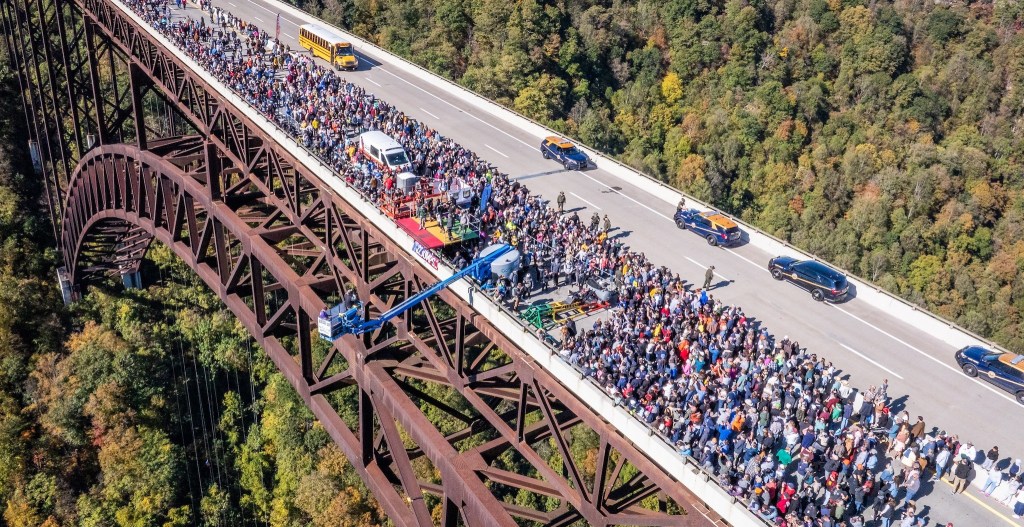
Now, every third Saturday of October, a celebration of lunacy occurs on the New River Gorge Bridge — an 876-foot high feat of engineering over a canyon. People BASE jump off it. Voluntarily. For fun.
Me? I prefer staying on bridges. It’s what they were designed for. Walking off one strapped to a glorified elastic band is not my idea of a good time. But each to their own madness.
On one of my final assignments, we found ourselves in an abandoned mining town called Thurmond. Imagine an old western film set, minus the actors. The buildings were still standing. Bank, general store, train station — all still there, frozen in time. We decided to stay overnight. One of the guys opened the old railway station with a key that looked like it was forged by dwarves in Middle Earth.
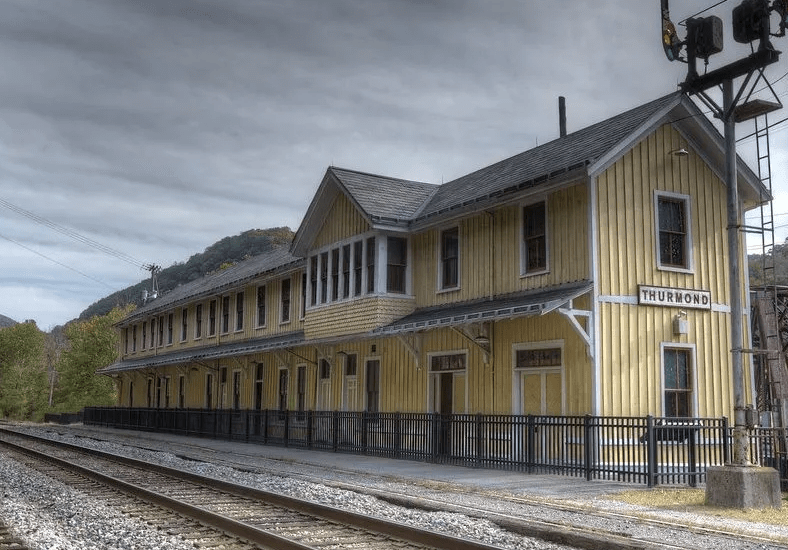
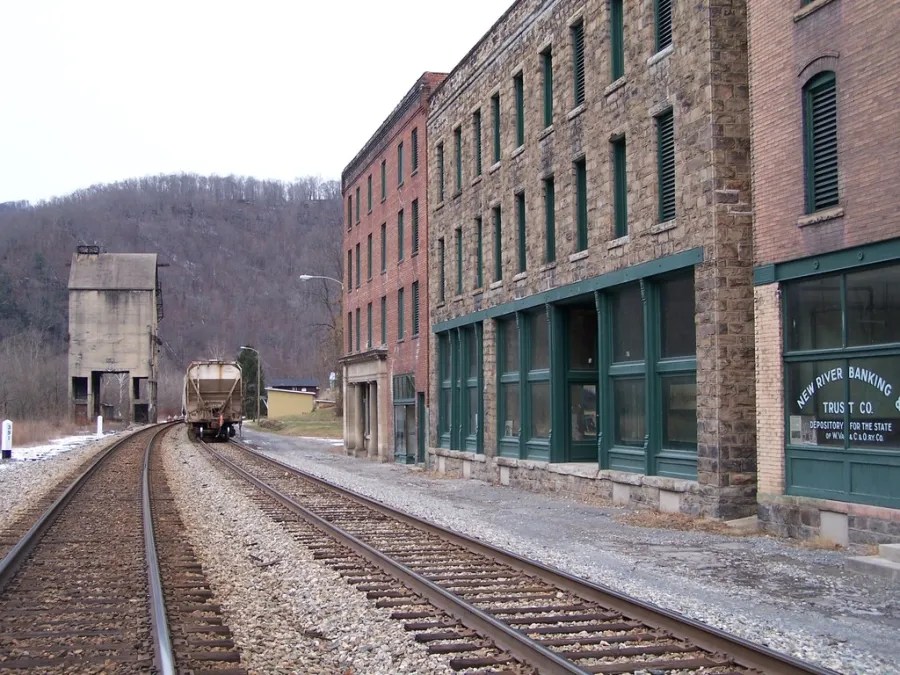
It was dusty. It was creepy. And while the others camped inside like lunatics, I chose the more civilized route: sleeping in my car. A decision I would regret almost immediately, as the night came alive with howls, creaks, and sounds that suggested the town was very much not abandoned by ghouls. I was convinced at least three vampires and two banshees were circling me. I didn’t sleep. Judging by the unearthly noises, there was a full symphony of the undead performing just outside my window. I sweated through the cold like a disoriented raccoon in a hot trash can.
By morning, I looked like a badger that lost a fight with a leaf blower. But I had a story. And that, my friends, is what West Virginia gave me. A place of ham and cheese sandwiches, bridge lunatics, and ghost towns — all wrapped up in the strange, oddly warm charm of America’s misunderstood mountains.
And no, I never had another Coors.
Thanks for dropping by my little corner of the world. If the story gave you a chuckle or made you pause and think, a like would be mighty kind. And if you’re feeling adventurous, well, hitting that subscribe button is like pulling up a chair and staying a while—always room for one more.
I subscribe back, by the way. It’s my way of saying, “Welcome to the club—snacks are in the back, goodtimes up front!”
Your comments make me smile, sometimes laugh out loud, and every now and then, they nudge me to dig a little deeper, write a little better. So, stick around—who knows what we’ll stumble upon next!
If you’re feeling a little generous—like the world’s got just enough warmth left in it for a small kindness—wander on over to my Donate page. No pressure, just a gentle nudge from the universe, saying, “Hey… this might be worth it.”


 A Kings
Leave a reply to jessicaisachristian Cancel reply