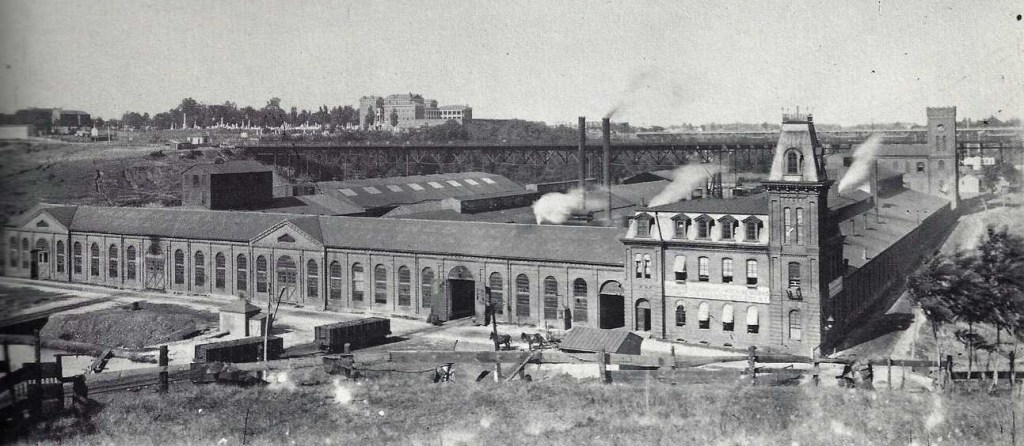
Richmond, Virginia. Once a city where the air was thick with the smell of coal smoke, metal shavings, and raw industrial ambition. Nestled within its Three Corners District was a factory that wasn’t just about trains. No, it was about steam-powered thunder, an era when locomotives weren’t just modes of transport but symbols of unrelenting mechanical progress. It was home to a factory that didn’t just build trains—it built mechanical monsters that thundered across continents, dragging civilization forward whether it wanted to go or not.
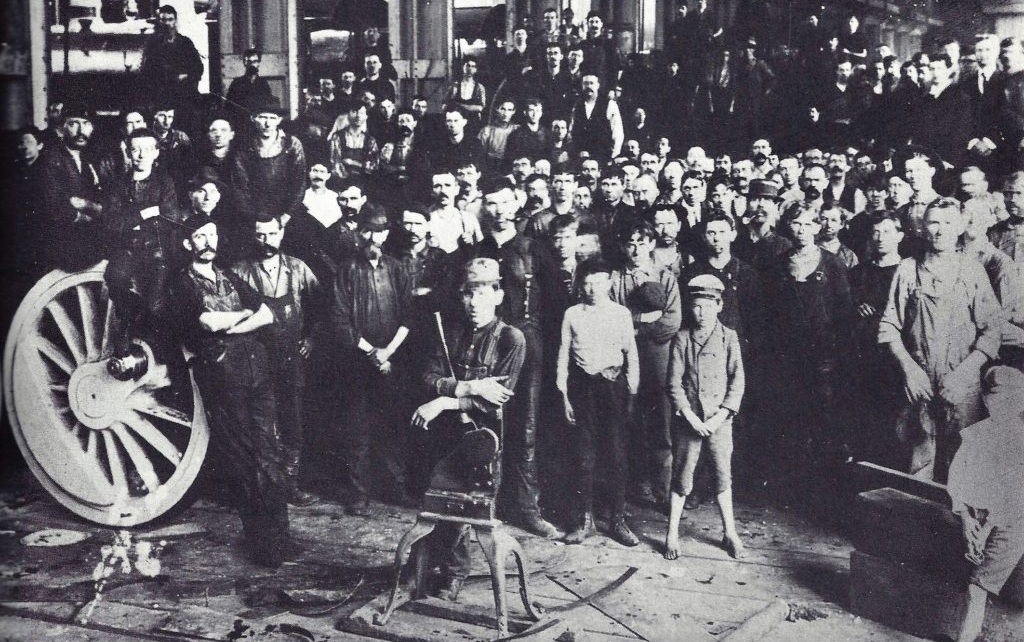
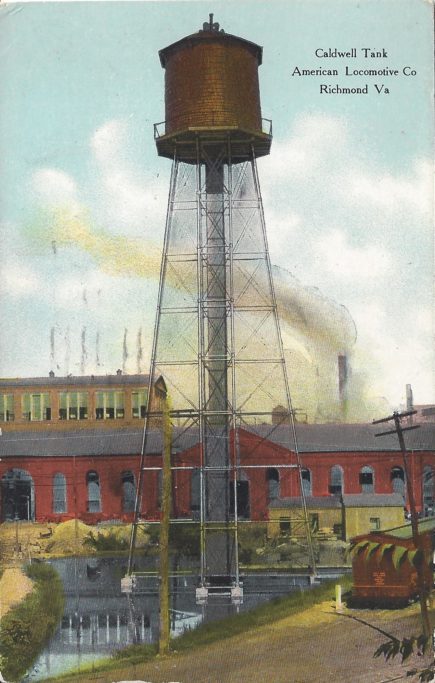
Founded by William E. Tanner and Alexander Delaney in the smoldering aftermath of the Civil War, Richmond Locomotive Works went from a modest machine shop to a steam empire. By 1887, it had an iron foundry; by 1922, a brass foundry; and by the turn of the century, it was churning out locomotives like an overcaffeinated Victorian engineer on a deadline.
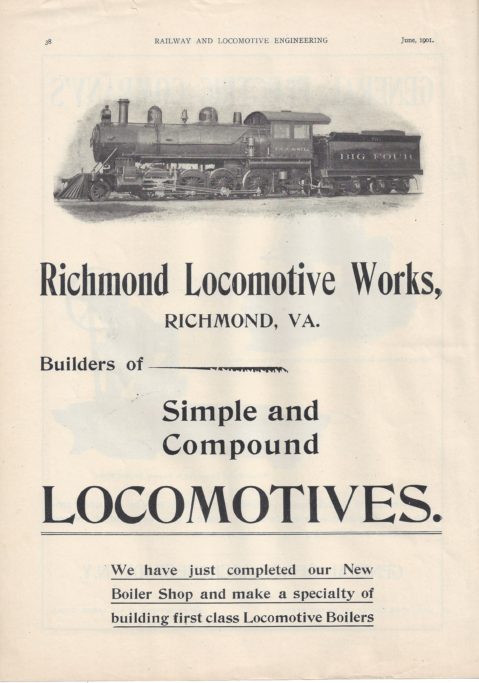
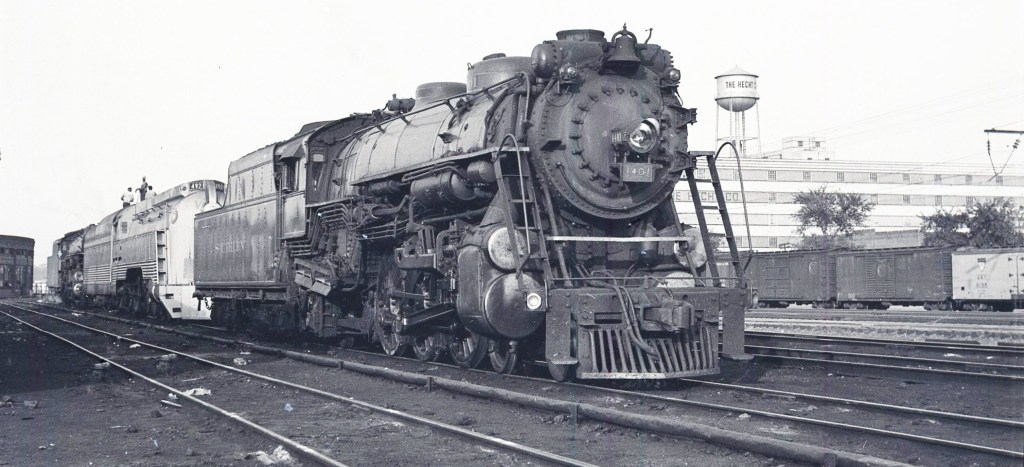
And these weren’t just any locomotives. Richmond built the train that carried Lenin into Petrograd in 1917, no doubt steaming its way into a revolution while the man himself brooded over Marxism in a fog of Russian tobacco. Then there was Southern Railway 1401, which had the grim honor of pulling Franklin D. Roosevelt’s Funeral Train, its wheels turning solemnly as an entire nation mourned. A Richmond-built experimental 4-6-0 made it all the way to New Zealand—where, let’s be honest, it was treated like an unwelcome guest. The locals found it too light, hated its steaming, and banished it to a branch line like some mechanical exile. It probably felt indifferent to the Kiwi’s Haka chants.
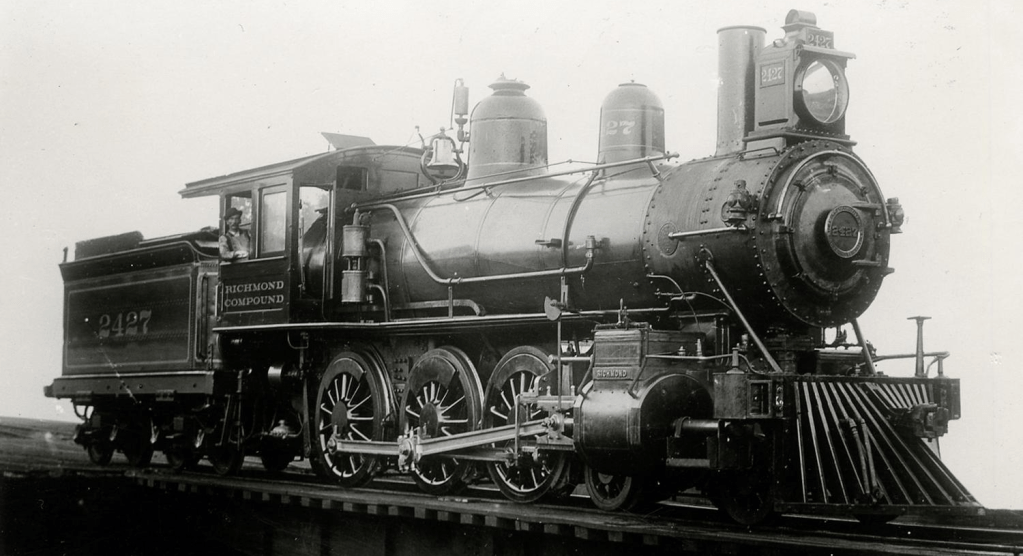
But perhaps the most intriguing of all was the Richmond Tramp. A locomotive so perfectly named, you can almost hear it huffing along the rails like a weary wanderer with a bindle over its shoulder. This engine wasn’t built for glory or grand processions—it was a workhorse, designed to be cheap, versatile, and reliable. It trundled across the landscape like an iron nomad, hauling freight, industry, and the occasional weary railway worker to places unknown. A locomotive that, like its name suggests, simply kept going.
But like all great stories, this one had an ending. In 1901, Richmond Locomotive Works merged into the American Locomotive Company (ALCO), a move that spelled the beginning of the end. By 1927, the Richmond plant had stopped producing locomotives altogether, and the steam-powered titans that once roared from its doors became relics of a bygone age.
Today, that once-great foundry, that forge of steel and steam, has been turned into… a cinema. Yes, Bow Tie Cinema now sits atop the ghosts of locomotives past. But if you look closely as you walk from the parking lot to the entrance, you’ll still see the remnants of train tracks, like the fossilized footprints of extinct giants.
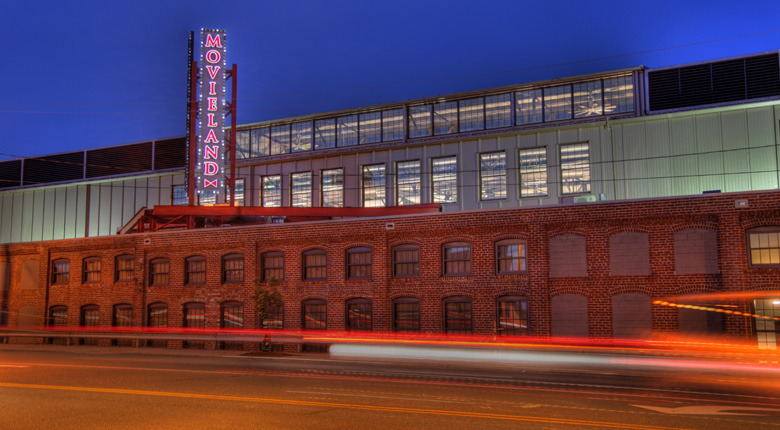
And thank heavens the city of Richmond rejected the plan to turn it into a casino. Because if there’s anything worse than paving over a legendary locomotive factory, it’s replacing it with a sad, neon-lit wasteland full of chain-smoking gamblers feeding their life savings into slot machines while the ghosts of steam-powered greatness weep into their boilers.
So, as you settle into your reclining seat with your overpriced popcorn, remember this: beneath your feet, men once toiled in fire and iron, crafting machines that carried revolutionaries, presidents, and wanderers alike. And now? Now we sit in the dark watching superhero films.
Progress? Well, let’s just say the Richmond Tramp would probably keep rolling on, unimpressed.
————————————————-
Thanks for stopping by my page! If you enjoyed the story, a like would mean a lot, and if you feel like sticking around, a subscribe would be even better. I love reading comments—they make me smile, and sometimes, they make me strive to be better.


 A Kings
Leave a reply to noga noga Cancel reply