
This may sound a bit controversial—though, let’s be honest, controversy is just another word for honesty people don’t want to hear—but I overheard a discussion about Monument Avenue and the removal of Confederate statues. One person said, “But it’s part of Richmond’s landscape!” True. But so were open sewers and rickety wooden bridges, and we replaced those. Another argued, “It’s history! It teaches young people!” Also true. But so is cholera, and we don’t build fountains in its honor.
Here’s the thing—evil doesn’t get a free pass just because it happened a long time ago. We don’t commemorate the Nazis in the middle of Kraków with statues of Hitler looking pensively into the distance. No, we put that horror in a museum where people can learn from it without glorifying it. The Confederates, in their infinite wisdom, attempted to destroy the United States and killed more American patriots than the Nazis and Imperial Japan combined. That’s not a great record for a group of people still somehow getting fan mail.
Now, before anyone starts sharpening their pitchforks, let me say this: this was not written to intentionally offend anyone, although sometimes, it can’t be helped. Instead of nurturing bad emotions, why don’t we talk about it? Debate, discuss—bring out the facts and history, not just sentiment. Because if we can’t have honest conversations about the past, we’ll never shape a better future. And this is how we keep democracy healthy, by having a good discussion on things that are sometimes difficult.
But let’s not get bogged down in the misery of history. As for the landscape, maybe we can field a few suggestions here to revive Monument Avenue. Because let’s be honest, these days it looks mundane—like a once-great stage left empty, its grandeur faded into a dull stretch of asphalt and brick.—and no, it doesn’t involve reinstalling statues of men who fought to keep humans as property. Instead, let’s talk about proper warriors—not the ones who got beat but the ones who won, who shaped America through grit, courage, and the unshakable will to do what’s right.
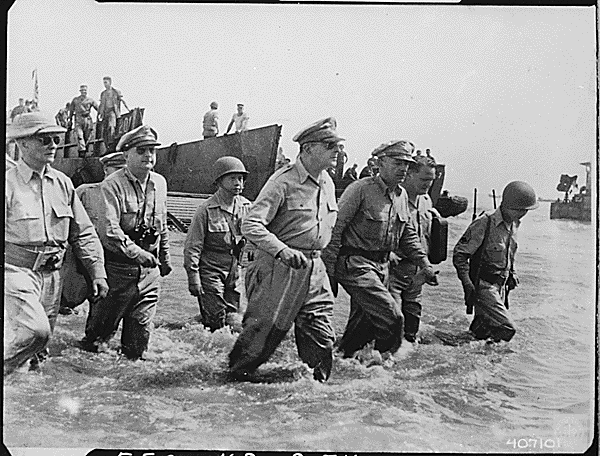
First up, Douglas MacArthur, a man who looked at tyranny dead in the eye and made a promise—“I shall return.” Now, promises are tricky things, but MacArthur wasn’t a man to break his word. He defied red tape, politics, and danger itself to free a people enslaved by brutal tyranny. You say “I shall return” in the Philippines today, and it still echoes like a hymn. That’s not just loyalty—it’s a lifeline in the darkest night.
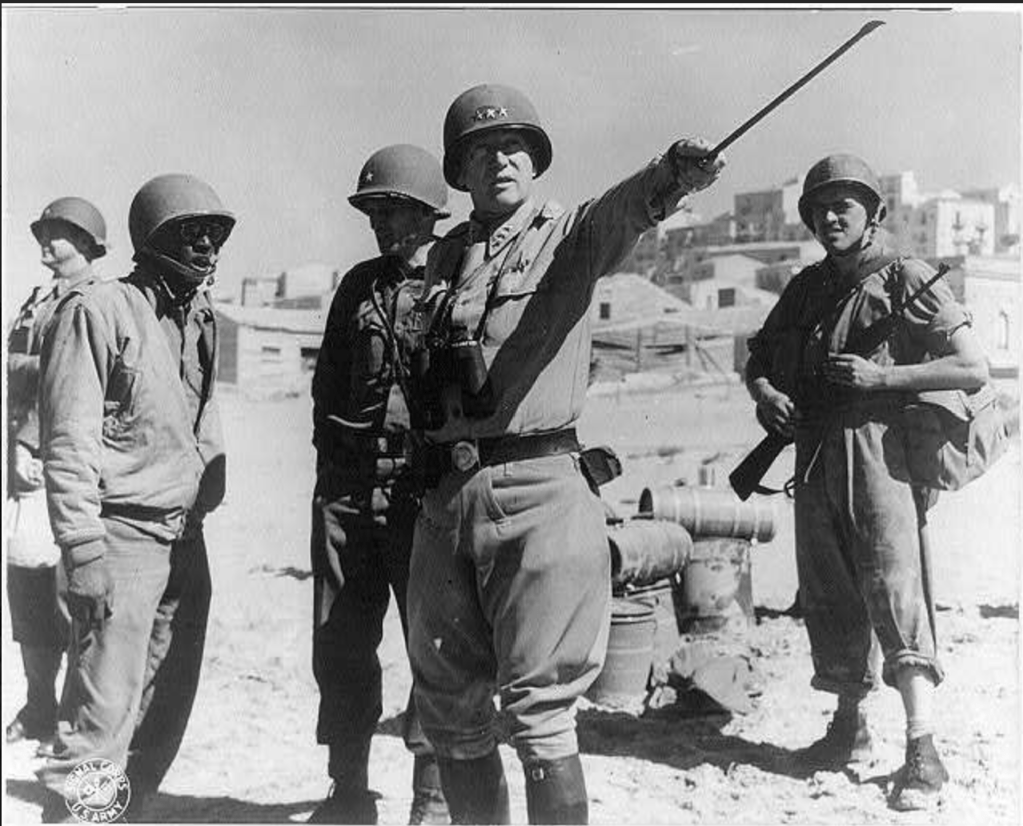
Then there’s General Patton, who was about as subtle as a freight train but twice as unstoppable. The grizzly bear of the battlefield, stomping across Europe with his Third Army. He didn’t mince words—“No one wins a war by dying for their country but by making the other bastards die for theirs.” Brutal? Maybe. Effective? Absolutely. The mere rumor that Patton was in motion had Nazi generals quaking in their boots, like they’d seen a ghost riding a tank.
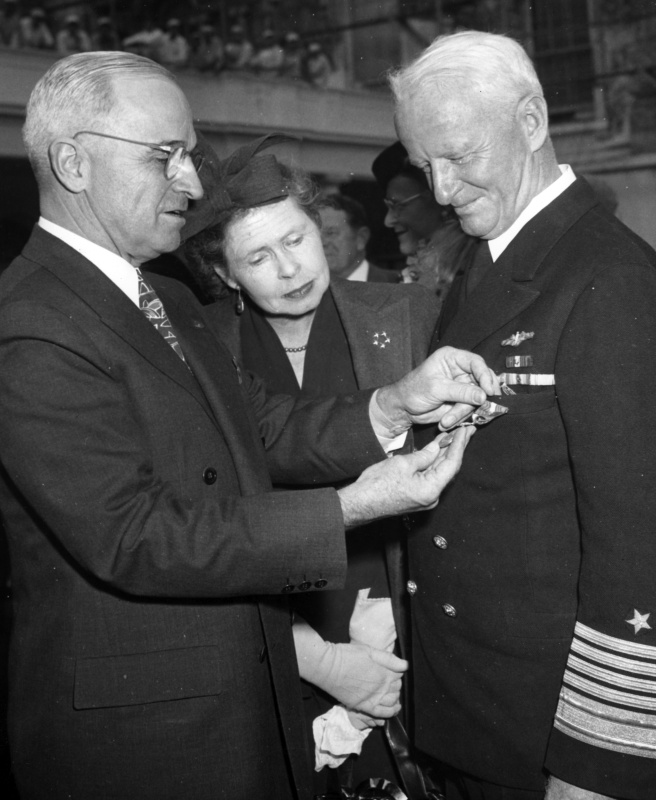
And what about Admiral Chester Nimitz? The sea-faring warrior who faced an enemy navy stronger and more aggressive than his own. But did he fold? No. He made the other guys so desperate they resorted to suicide runs. Kamikaze planes falling from the sky like a terrible, fiery storm. Yet Nimitz held the seas so firmly that Americans began to take that control for granted. And that’s the mark of true greatness—when you make the impossible seem inevitable.
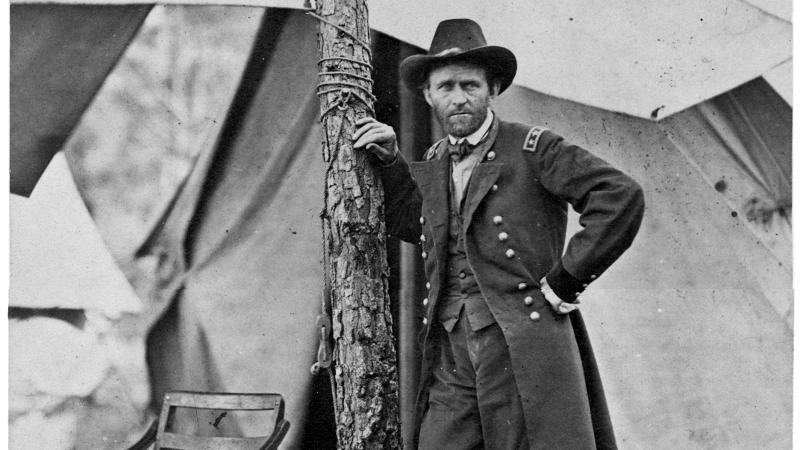
And while we’re at it, why not Ulysses S. Grant? A man who knew that equality wasn’t just a good idea, it was the only idea. He crushed the Confederacy, preserved the Union, and then spent his presidency trying to ensure that all Americans—not just the privileged ones—had a future. He once said, “I don’t know why black skin may not cover a true heart as well as a white one.” In an era when people were still debating whether freedom should come with conditions, that’s as bold as saying “electric cars are actually fun” at a gearheads convention.
Now, none of these men were perfect. MacArthur was stubborn, Patton was arrogant, Nimitz wasn’t immune to mistakes, and Grant drank like the world was ending tomorrow. But here’s the difference—they delivered. They didn’t just talk about greatness; they rolled up their sleeves and made history.
And that, my friends, is what should be honored—not lost causes, not revisionist nostalgia, but real, tangible service. Today, American servicemen and women still carry that same legacy. They don’t ask for statues, they don’t demand monuments, but they damn well deserve them.
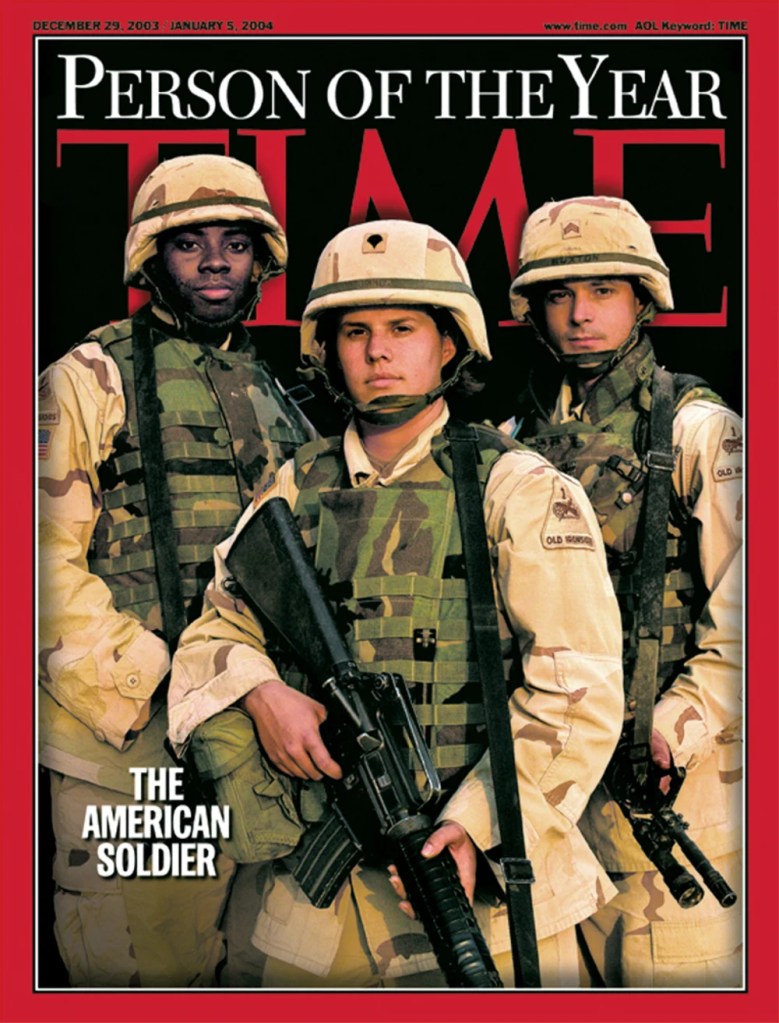
So here’s to the real warriors—the ones who fought for something bigger than themselves. The ones who knew that history isn’t about what you wish had happened, but about what actually did. Let’s honor them properly, and maybe, just maybe, Richmond’s skyline will be better for it.


 A Kings
Leave a comment